
How Visitor Management Systems Empower Life Science Organizations

Visitor management used to be a front-desk convenience. Now 66% of pharma companies call it critical to their security and operations, yet only 23% of life science companies use a cloud-based system. We surveyed companies with 1,000 to 2,000+ employees to find out why they use visitor management, how confident they are in it and what's holding others back.

What's inside
- How perceptions of visitor management have changed since the pandemic
- What life science companies use their visitor management systems for today
- Why 70% value a system that's standardized yet customizable across sites
- The concerns behind slower adoption, and how to answer them
Introduction
The Life Science sector is not alone in bracing itself for a future of continued economic, supply chain security and tight labor market challenges, but as incidences of fraud, regulatory updates and cyber attacks rise, these aren’t the only obstacles they’re facing.
Cloud-based visitor management systems offer an antidote to addressing on-site security, compliance and cyber security issues, and they’re fast becoming an indispensable asset for IT, security and facilities departments in today’s data-driven, post-pandemic age.
While there are many anecdotal observations on the reasons behind the increased use of cloud-based visitor management systems, we reveal first-hand, the views from those managing visitor procedures and using cloud-based systems within the Life Science industry. Running a market research initiative specifically for the Life Science sector, we gathered responses from companies employing between 1,000 - 2,000+ employees.
In this White paper, we reveal a range of insights from the Life Science sector, demonstrating what role their cloud-based VMS plays in operations, how confident they are in their system and why they chose it.
Visitor management systems were once viewed as a nice-to-have for streamlining existing front-desk operations, but not a business necessity. Now they are considered critical to an organisation’s security and operational capabilities.

The changing perception of Visitor Management Systems
Traditional, pen and paper visitor registration processes may seem more straightforward, but this view is perhaps the reason they have been considered a mere ancillary tool for handling front desk operations. The digital revolution has now shone a light on the unreliability, error proneness and poor data management capabilities of conventional visitor processes.
In contrast, today, around two thirds (66%) of pharma businesses who took part in our research consider their VMS a crucial facet in their security and operational capabilities. A similar portion (60%) agreed that cloud-based systems have become more important in collecting and tracking visitor information, identifying high-risk personnel and ensuring privacy and compliance following the pandemic.
It’s therefore surprising that only a quarter (23%) of Life Science companies are using a cloud-based VMS, with the majority, 26%, still using a manual system - a different story from the finance industry where 38% have adopted the technology for their visitor processes.
Cloud-based visitor management systems have gained greater importance since the pandemic as a means for collecting and tracking visitor data and identifying high risk personnel, whilst ensuring privacy and compliance

What are VMSs used for today?
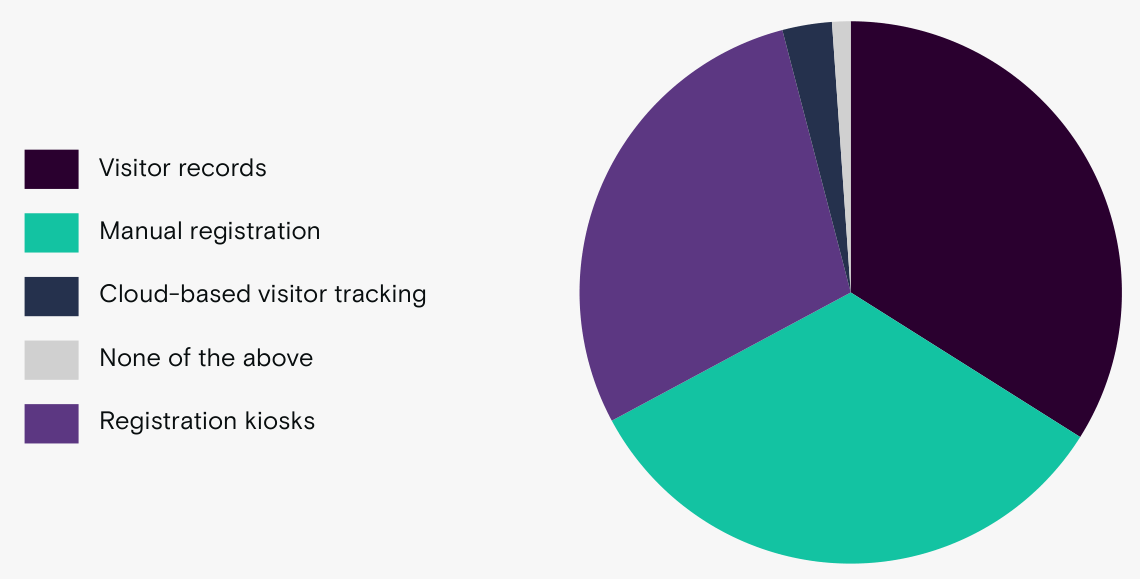
Those with a VMS use it for a number of different methods. Just over one quarter reported that their VMS is used for manual registration processes, another quarter used theirs for registration kiosks, and cloud-based visitor tracking was highlighted as the most common use of a VMS for 23% of respondents. Holding visitor records was the key activity of a VMS for 22% of pharma companies. However, what they are using their VMS for, and what they actually want from a cloud-based VMS do differ.
Which of the following methods of visitor management currently operate in your organisation?
Perceived barriers to cloud-based VMS adoption
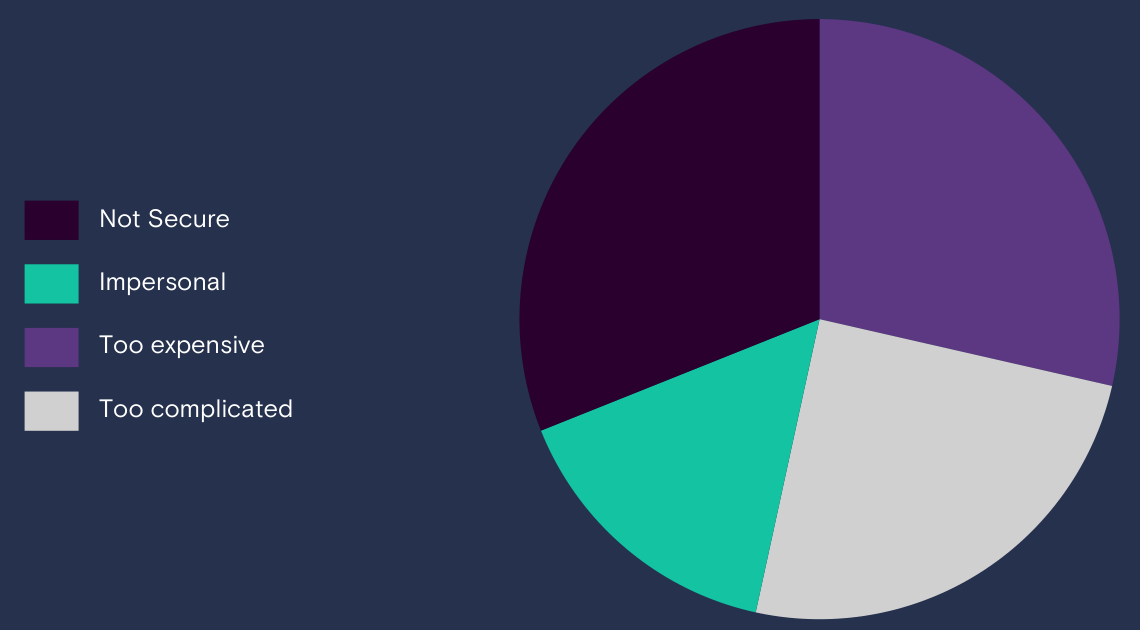
Despite acknowledging the growing significance of cloud-technology to manage multiple aspects of visitor processes, there remains some uncertainty with over one third of Life Science businesses unsure of its benefits.
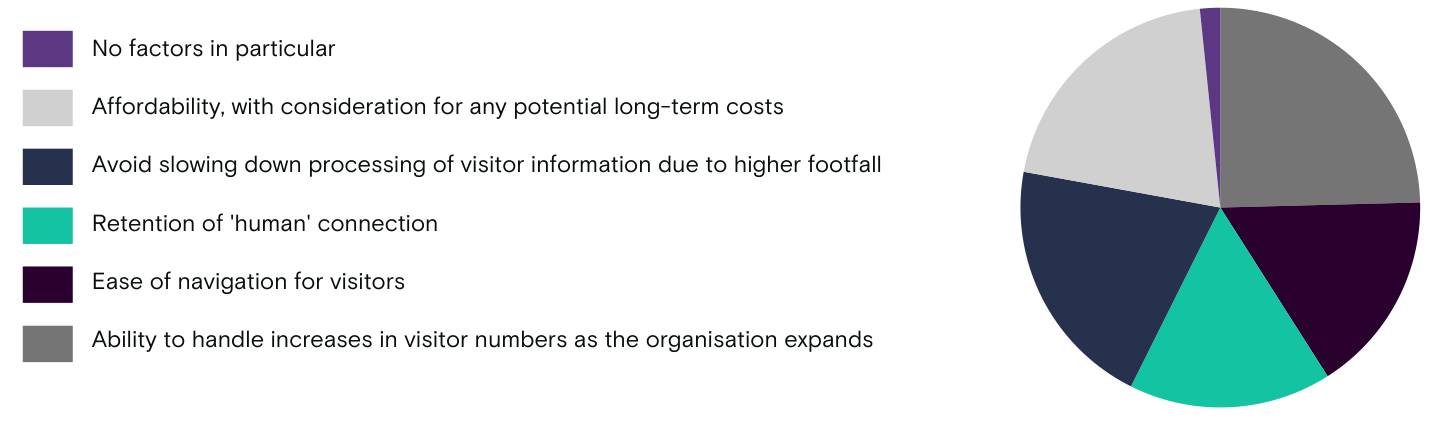
There is a degree of reservation too, with 42% of respondents perceiving them as impersonal, 40% believing cloud systems are expensive, and others feeling they are complicated and not linked to creating a safe environment. Affordability and long-term cost implications are other additional factors businesses consider when assessing their cloud-based VMS needs.
The best of both worlds: standardization and customization
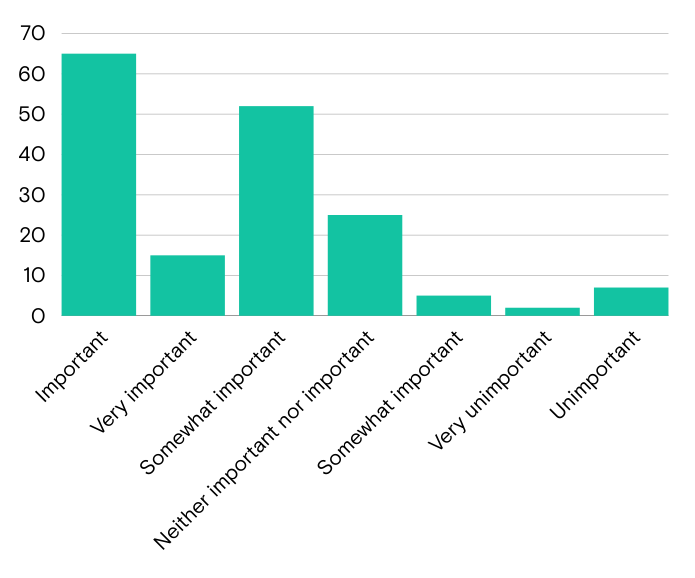
We discovered that the most significant reason behind the desire for a cloud-based VMS is the need to create standardization across locations, with 44% of those we surveyed expressing this as their main objective. Conveying just how important it is to have an enterprise-wide cloud-based VMS that can be both standardized and customized across locations, almost two thirds (70%) regarded this benefit as ‘important’ with just 5% specifying this as ‘unimportant’. These views may reflect how standardization of systems allows for more seamless growth and the need to future-proof operations.
How important is having an enterprise-wide cloud-based VMS platform that can be customised and standardised across locations?
Whether you already have a cloud based visitor management system in place or are considering one, which of the following statements have formed part of your decision-making journey at some stage?
What Life Science organizations want from a cloud-based VMS
With a mixture of apprehension from some organizations yet a marked acknowledgement of the benefits of modern visitor management systems from others, what exactly do Life Science organizations look for in a cloud-based VMS?

The bigger the company, the greater the need for standardization
The level of importance for standardization rose in line with the size of the organization across all sectors. 36% of companies with a £50-£99.99 million turnover said standardization was their main priority, rising to 46% for those with a £100- £499.99 Million turnover. There was a considerable increase to 75% for those with a £500 Million turnover or more. It makes sense that the bigger the organization, the more locations there are to manage, the greater the visitor footfall and the need for more assimilation.
Supporting standardization with a cloud-based solution
Cloud-based systems are scalable in a way that locally hosted VMSs are not. Unlike on-premise visitor systems with a traditional IT infrastructure and data storage hosted locally, cloud architecture is virtual, and therefore more flexible. This improves the ability to handle increases in visitor numbers as an organization grows.
This capacity to scale up also translates into more uniformed processes, with one system and one set of functionalities derived from a centralized database for all locations. Although implementing different systems across different sites may seem a more tailored approach, managing disparate systems is often costly, time-consuming and complex.
Fortunately, cloud-based solutions are customizable too, meaning for instance, that unique local data policies can be implemented seamlessly into check-in procedures for a specific location, while maintaining the advantage of utilizing the same technology across global sites. Consistent visitor practices can be rolled out globally, yet tweaked to meet the particular needs of each site or facility.
To tick all compliance boxes
The need to ensure compliance is second on the list for the Life Science industry. Over one third (34%) of respondents stated this as a key reason for deploying a cloud-based visitor system.
Compliance is no easy field to navigate for Life Science companies, with a full stack of quality control procedures, FDA regulations, and data storage requirements for auditing purposes. Managing the privacy and storage of data for a diversity of visitors is a critical element of staying compliant. Cloud-based systems provide digital and automatic sign-ins during check-in workflows to form solid audit trails for assessments. Unlike paper-based forms, previous visitor information is not visible either.
As global organizations continue to handle a flurry of contract workers coming in and out of premises, on-site security must be robust. Using cloud technology, contractors can upload formal documents such as licenses, training certificates, plus photos, invoices and timesheets, all of which can be automatically cross-referenced with data requirements, saving time for front desk staff, improving visitor flow and staying compliant.
To enhance visitor experiences
On a par with the need for compliance, 34% of Life Science companies believe enhancing the visitor experience is a motivator behind wanting a cloud-based visitor system.
Responses varied according to the size of the organization across all sectors surveyed. 53% of those with a £100,000 - £99,999 Million turnover, the smallest of businesses surveyed, said the visitor experience was the key reason why they wanted a cloud-based system. 44% of those who turned over £100 Million - £499.99 agreed with this, while 25% of companies with a £500 Million+ turnover expressed visitor satisfaction as the most important aspect of opting for a cloud-based VMS.
Although the results are mixed across different sized businesses in varying industries, they do suggest that companies of all sizes are considering the effectiveness of cloud-based solutions to enhance visitor interaction.
It’s understandable. Visitor systems hosted on the cloud enhance experiences for both hosts and visitors. For instance, the automatic notification feature immediately informs hosts of a visitor’s arrival via SMS or email. This opens a communication channel between the two parties with the hosts able to directly update visitors on their arrival time. It reduces waiting times and is a more engaging interaction for visitors. It’s a feature that also addresses the need to retain a ‘human connection’ - a factor that 20% of respondents considered when assessing their cloud-based VMS needs.
What are the main reasons for having/wanting a cloud-based visitor management system in your organisation?

To improve efficiencies
Using cloud computing to improve efficiency and saving time is not exclusive to visitor management systems. Pharma Technology Focus reports that cloud-computing has become an well-established technology used to provide faster, cheaper and more agile approaches to operating IT architecture. Over one third (32%) of the pharma businesses we surveyed reported that improving efficiency and saving time was a key benefit of having a VMS.
As the volume and complexity of regulations such as GDPR, CCPA and health and safety rules rise, the time it takes to process visitors increases. If companies are creating manual registration sheets and storing visitor data in physical locations, front desk operators will spend more time checking, searching for and cross-referencing data, as well as having to handle other aspects of their role.
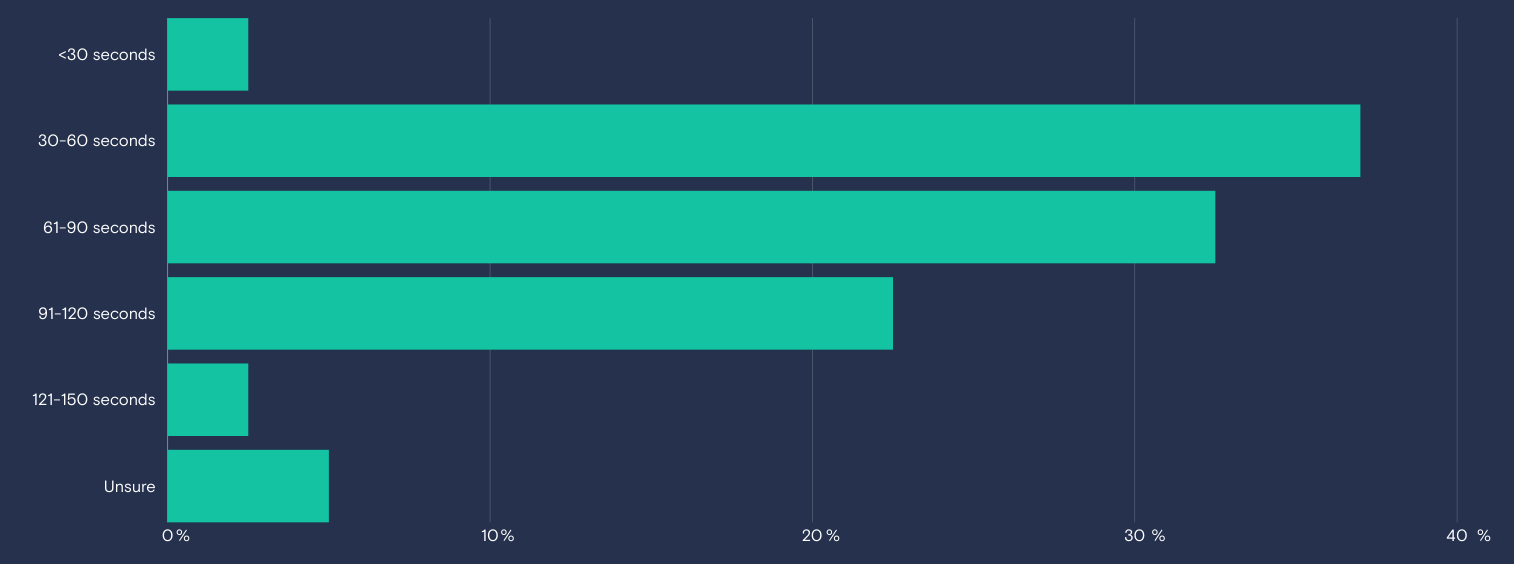
Cloud-based systems provide more streamlined check-in processes, saving time for in-house reception teams, and visitors. Our research shows that just 2% of pharma businesses processed visitors from the time of arrival in less than 30 seconds. Most commonly, visitors were processed between 30 - 90 seconds, while 22% took between 91- 120 seconds. Although a minute and half may sound a negligible amount, for large organizations with high visitor traffic, this can create significant visitor congestion.
Using a more customizable check-in with cloud technology creates a more efficient visitor process as visitors can be differentiated upon or before arrival. Pre-booking visitors means attendees can register their details in advance, making on-the-day checking-in swift and cutting processing times down to just a few seconds. Visitor types can be customized too, for example, interviewees can be prompted to provide name, address and host details, while suppliers can provide delivery and booking references. With 32% of respondents mindful of holding up processing information due to higher footfall when considering their cloud-based VMS needs, these features are often invaluable.
On average, how long does it take to process a visitor when they arrive at one of your organisation’s locations?
To create a safe working environment
A less significant requirement of a VMS is the need to create a safer environment, with under one quarter of respondents citing this as a main motivator. This is perhaps not unforeseen given the more hazardous nature of Life Science organizations. Another understandable finding is that the emphasis on improving security increases inline with the size of the organization.
What is surprising is that IT managers are those who consider a VMS useful for safety purposes, more so than those in security roles, an outcome that may point to a greater willingness to adopt new technologies and understanding of cloud technology. A technology capable of coding ID badges to ensure Access Control areas are not available to everyone, one that can provide detailed reports to spot visitor trends to support preventative safety measures being implemented.
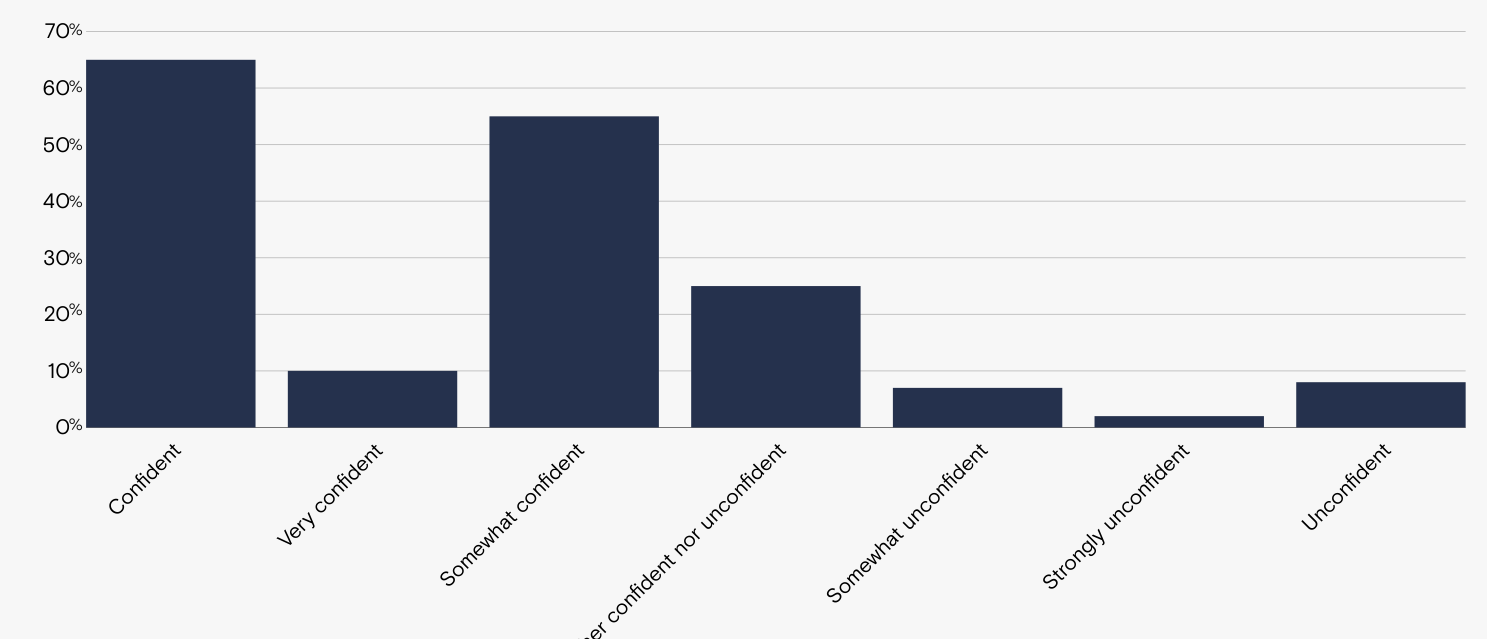
Real-time visitor tracking is also highly valuable in helping organizations ensure a safe workplace and it seems those using it are comfortable with this aspect of their VMS with only 8% of respondents reporting that they were not confident that their cloud-based VMS system for tracking visitors.
How confident or unconfident are you that your current cloud-based visitor management system accurately tracks all visitors in and out of each of your locations?
What other factors do you need to consider the most when considering your cloud-based visitor management needs?
Enhanced Security and Privacy
Alongside the key benefits of a modern VMS, additional advantages were also highlighted. Increasing brand awareness was deemed a reason for adopting a cloud-based VMS for 8% of respondents. With the ability to produce customized badges with various styles, colors, and branded logos, during the check-in process, brand recognition can be enhanced with a more sophisticated VMS. ID badges can be customized for particular events, to help security and events teams more easily identify guests and non guests. When asked about additional benefits, 39% of respondents signaled the need to handle increases in visitor traffic.
Summary
The underlying message from our research is that the visitor management needs of Life Science organizations are varied and spread evenly. They vary from the desire for greater standardization and scalability, an enhanced visitor experience, complying with regulations, and ensuring a safe working environment. Covering so many different areas, the outlook for using cloud-based visitor management systems looks set to rise, and will likely become more critical in bolstering security, standardizing procedures, adhering to regulations, and future-proofing positive visitor experiences.